HULL UK
HULL
HomeFoundationsMicropile Design

Micropile Design in Hull – Technical Ground Support

Geotechnical engineering with regional judgment.

LEARN MORE

Under Eurocode 7 (EN 1997‑1:2004) and BS 5930, micropile design in Hull must account for the city's deep alluvial deposits and high groundwater table. The Humber estuary's soft clays and silts demand careful load transfer to competent strata, often found 15–20 m down. We combine site investigation data with structural loading to size micropiles that resist both compression and tension. For shallow obstructions or access constraints, we first run calicatas exploratorias to log soil layering and locate buried services before drilling. This phased approach reduces risk during installation in Hull's built‑up areas.
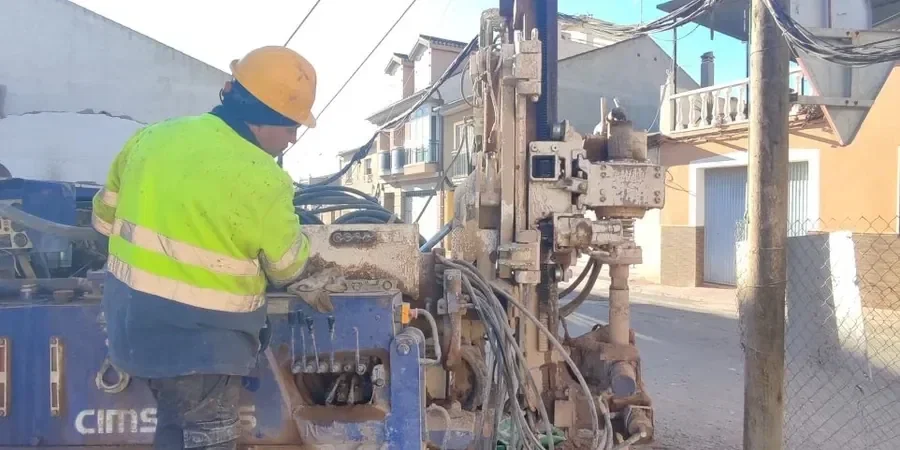
Illustrative image of Micropile design in Hull
In Hull's soft alluvial clays, micropile bond lengths of 6–8 m in the till layer typically provide 30–40 % of the design capacity.

Our service areas

Scope of work

The typical Hull ground profile consists of soft alluvial clay overlying glacial till and Mercia Mudstone at depth. Groundwater is commonly encountered between 2 m and 4 m below surface, which affects grout mix design and bond zone development. We measure soil shear strength using ensayo triaxial on undisturbed samples from the design depth, and we confirm pile‑soil interface parameters with corte directo on recovered cores. In our experience, micropiles in Hull perform best with a steel bar of grade 500 B and a cement‑bentonite grout injected under low pressure. Load testing to 2.5 times working load is standard per ICE specification.
Technical reference — Hull

Area-specific notes

Compare the Hessle foreshore with the Bransholme estate: Hessle has firm glacial till near surface, while Bransholme sits on 10 m of soft compressible clay. In the latter, neglecting micropile group effects or underestimating negative skin friction can lead to differential settlement of over 40 mm. We always run a settlement interaction analysis using the elastic modulus from oedometer tests on the clay layer. Hull's tidal groundwater also imposes cyclic loading on the pile shaft; we therefore check fatigue resistance in the bar‑grout connection according to BS EN 1993‑1‑9.

Need a geotechnical assessment?

Reply within 24h.

Email: contact@geotechnical-engineering.biz

Standards used


Eurocode 7 (EN 1997‑1:2004), BS 5930:2015 – Code of practice for ground investigations, ICE Specification for Piling and Embedded Retaining Walls (3rd Ed.), BS EN 14199:2015 – Execution of special geotechnical works – Micropiles

Technical parameters

ParameterTypical value
Bar diameter25–50 mm (grade 500 B)
Grout cube strength (28 d)≥ 30 MPa
Bond length in till6–8 m
Working load range200–600 kN per pile
Load test factor2.5 × working load (static)
Corrosion protectionGalvanised bar + cement grout cover ≥ 30 mm

Common questions


What is the typical design life of a micropile in Hull?

For permanent works we design to a 120‑year life, using a corrosion allowance of 1 mm on the bar diameter and a grout cover of at least 30 mm. For temporary works (less than 2 years) we can reduce the cover to 20 mm.

How does the high groundwater in Hull affect micropile grouting?

Water tables at 2–4 m depth require a cement‑bentonite grout with a delayed set (4–6 hours) to avoid washout. We also use a tremie tube to place grout from the toe upward, ensuring full bond zone encapsulation.

What load tests do you recommend for micropiles in Hull?

Static compression tests to 2.5 × working load are standard per ICE specification. We also perform a maintained‑load test with 12‑hour hold stages to confirm creep behaviour in the soft clay layers.

Can micropiles be installed inside a building with low headroom in Hull?

Yes. Using a hydraulic rotary drill rig with 2.5 m mast height, we install micropiles in 1 m sections coupled together. This approach works well in cellars and ground floors of Victorian terraces common in Hull's Old Town.

How much does a micropile design for a typical Hull house cost?

A full design report including calculations and drawings ranges between £1.000 and £3.900 depending on the number of piles and complexity of the existing structure. This includes one site visit to verify access and as‑built conditions.

Location and service area

We serve projects across Hull.

Location and service area