HULL UK
HULL
HomeLaboratorySoil Mechanics Study

Soil Mechanics Study in Hull – Geotechnical Investigation for Safer Construction

Geotechnical engineering with regional judgment.

LEARN MORE

The soft alluvial clays and silts of the Humber estuary define ground conditions across Hull. With seasonal groundwater levels sitting less than 2 m below surface, a soil mechanics study here must account for high moisture content, low shear strength, and consolidation potential. Our field programme starts with boreholes and undisturbed sampling using thin-walled tubes to preserve fabric. For shallow investigations we often extend the work with calicatas exploratorias to visually log strata and obtain bulk samples. The data feeds directly into settlement and bearing capacity calculations under Eurocode 7 design approach 1.
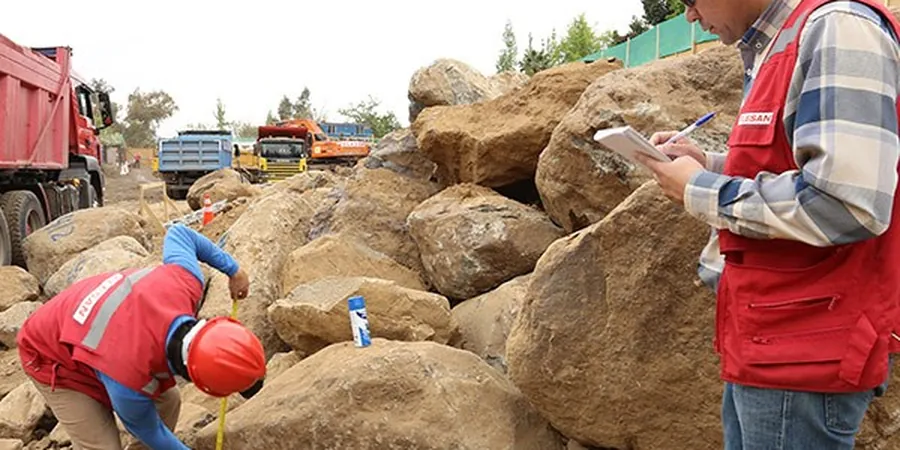
Illustrative image of Soil mechanics study in Hull
The combination of soft estuarine clay and anthropogenic fill demands a phased investigation to capture spatial variability across each site.

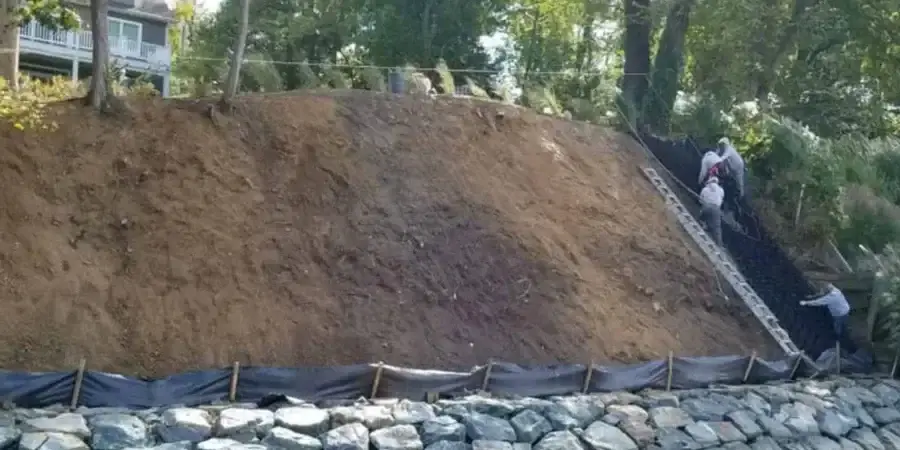
Our service areas

Scope of work

Hull sits on a thick sequence of Quaternary glacio-lacustrine deposits overlain by tidal flat sediments. The city's population of roughly 260,000 means most new development occurs on brownfield land with variable fill layers. A complete soil mechanics study in Hull typically involves:
  • SPT at 1.5 m intervals to BS EN ISO 22476-3
  • Undisturbed tube sampling for triaxial and oedometer testing
  • Laboratory classification including Atterberg limits and particle size distribution
We complement these with a permeability field test when dewatering or drainage design is needed. The combination of soft estuarine clay and anthropogenic fill demands a phased investigation to capture spatial variability across each site.
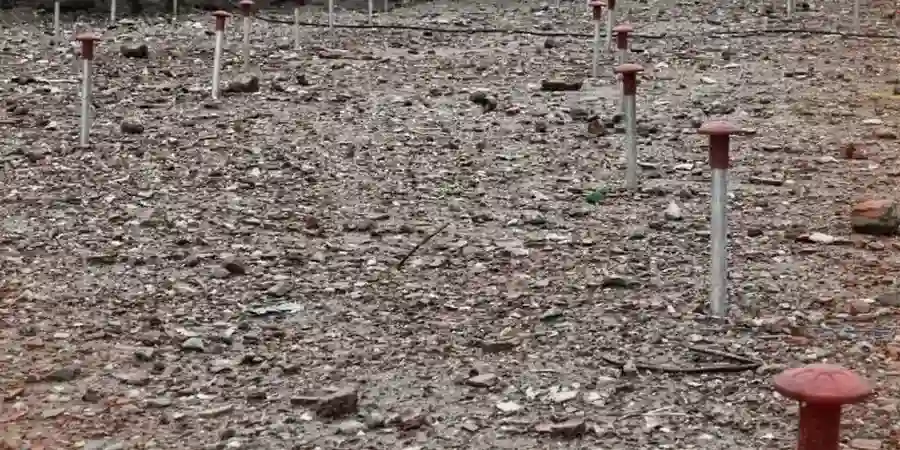
Technical reference — Hull

Area-specific notes

BS 5930 and Eurocode 7 (EN 1997‑1:2004) set the framework for ground investigation in the UK. In Hull, the primary geotechnical risk is differential settlement caused by variable compressibility of soft clay and heterogeneous fill. Without a soil mechanics study that includes consolidation testing at multiple depths, the risk of excessive long‑term settlement on shallow foundations is high. The presence of peat lenses in some areas further complicates predictions. We follow the NCEER (1997) method for liquefaction screening in saturated fine sands, though the main concern remains post‑construction settlement of structures on the Humber floodplain.

Need a geotechnical assessment?

Reply within 24h.

Email: contact@geotechnical-engineering.biz

Standards used


BS 5930:2015 – Code of practice for ground investigations, BS EN 1997-1:2004 – Eurocode 7: Geotechnical design, BS EN ISO 22476-3:2005 – Field testing: Standard Penetration Test, BS EN ISO 22476-3 – Standard test method for SPT

Technical parameters

ParameterTypical value
SPT N-value (corrected)4–15 blows/300 mm typical in soft clay
Undrained shear strength (cu)20–60 kPa from UU triaxial
Moisture content35–65 % in alluvial clay
Plasticity index (PI)25–45 typical for Humber clay
Coefficient of consolidation (cv)2–8 m²/year from oedometer

Common questions


What is the typical cost range for a soil mechanics study in Hull?

For a standard residential or small commercial site in Hull, the cost typically ranges from £2,290 to £4,680 depending on depth, number of boreholes, and laboratory testing scope. Larger brownfield sites with multiple trial pits or deeper boreholes fall at the upper end. We provide itemised quotations after reviewing site access and ground conditions.

How long does a soil mechanics study take in the Hull area?

A typical investigation with 3–4 boreholes and a full laboratory programme takes 3 to 4 weeks from mobilisation to final report. Trial pitting for shallow studies is faster, often completed in 10–14 days. Seasonal groundwater in Hull can cause minor delays if winter rains raise the water table.

Which British standards apply to soil mechanics studies in Hull?

The primary standards are BS 5930:2015 for ground investigation methodology, BS EN 1997-1:2004 (Eurocode 7) for geotechnical design, and BS EN ISO 22476-3:2005 for the Standard Penetration Test. Laboratory testing follows BS 1377:1990 methods. All reports include a compliance statement with these standards.

Why is consolidation testing important for Hull clay soils?

Hull's estuarine clays are normally consolidated to lightly overconsolidated, meaning they will undergo significant settlement under new foundation loads. Oedometer tests measure the coefficient of consolidation and compression index, which are essential to predict both the magnitude and rate of settlement. Without these data, structural damage from differential settlement becomes a real risk.

Location and service area

We serve projects across Hull.

Location and service area