HULL UK
HULL
HomeImprovementUnsaturated Soil Analysis

Unsaturated Soil Analysis in Hull — Why Suction Matters in Humber Estuary Ground

Geotechnical engineering with regional judgment.

LEARN MORE

A contractor recently poured a floor slab on a brownfield site off Hessle Road without first checking the soil’s moisture‑suction state. Within six months the slab had cracked along a polygonal pattern — classic desiccation‑shrinkage. Unsaturated soil analysis would have caught the high matric suction in the laminated clays before the concrete was placed. Hull sits on glacial till over laminated Humber alluvium; these soils exhibit strong unsaturated behaviour that dry‑unit‑weight tests alone cannot capture. Ignoring the suction regime leads to differential movements that no slab thickness can fix. We routinely couple suction‑profile measurements with calicatas exploratorias to expose the actual moisture gradient, then interpret the data under BS 5930 and Eurocode 7 principles.
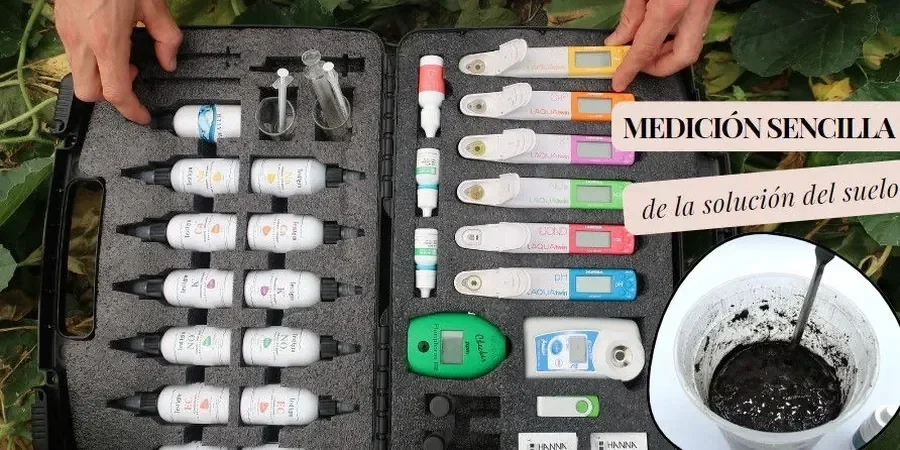
Illustrative image of Unsaturated soil analysis in Hull
Suction gradients of 120 kPa per metre in Hull alluvium — unsaturated analysis prevents slab‑cracking and over‑design of foundations.

Our service areas

Scope of work

On a recent residential development near Victoria Dock we logged a suction gradient of 120 kPa per metre in the top 2 m of the alluvial clay. The contractor had assumed a linear moisture profile — wrong. Unsaturated soil analysis using filter‑paper and dew‑point methods revealed an active zone extending 3.2 m below ground level. We also ran a ensayo SPT to correlate the blow counts with the suction‑induced apparent cohesion; the data showed a 40 % increase in shear strength in the upper metre compared with saturated conditions. This is the kind of information that prevents over‑design of foundations. The procedure follows BS 1377‑2 for sampling, with suction readings taken at 0.3 m intervals. Every profile is plotted against the soil‑water characteristic curve (SWCC) of the site, which we derive from pressure‑plate tests in our UKAS‑accredited laboratory.
Technical reference — Hull

Area-specific notes

Hull lies at an average elevation of just 4 m above sea level, with the Humber estuary controlling a shallow water table that fluctuates seasonally by up to 1.5 m. During dry summers the surface clays desiccate, generating suctions that hold the soil together artificially. Come winter rewetting, those suctions collapse — and so does the ground. We have measured post‑rain settlement of 35 mm on a site that had been analysed only in its unsaturated summer state. Unsaturated soil analysis must therefore be carried out across at least two seasonal campaigns to capture the hysteresis loop of the SWCC. A single dry‑season test gives a dangerously optimistic picture, especially in Hull’s estuarine clays.

Need a geotechnical assessment?

Reply within 24h.

Email: contact@geotechnical-engineering.biz

Standards used


BS 5930:2015 + A1:2020 — Code of practice for ground investigations, BS EN 1997‑1:2004 — Eurocode 7: Geotechnical design (Part 1), BS 1377-2‑16 — Standard test method for measurement of soil potential (suction) using filter paper

Technical parameters

ParameterTypical value
Measurement methodFilter‑paper (BS 1377-2) / Dew‑point hygrometer (WP4C)
Suction range0 kPa – 300 MPa (total suction)
Active‑zone depth (Hull alluvium)2.8 m – 3.5 m from ground surface
Key output parametersMatric suction (ua–uw), SWCC, apparent cohesion increment
Applicable standardBS 5930:2015 + A1:2020, Eurocode 7 (EN 1997‑1:2004)
Laboratory accreditationISO/IEC 17025 (UKAS) for suction tests

Common questions


How does unsaturated soil analysis differ from standard moisture‑content testing?

Standard moisture content tells you how much water is present, but not how strongly it is held. Unsaturated analysis measures matric suction — the negative pore‑water pressure that controls shear strength and volume change. In Hull’s alluvial clays, two samples with identical water content can have suctions differing by 80 kPa, leading to completely different bearing capacities.

When during a Hull project should we request unsaturated soil analysis?

The reference range for this service in Hull is £790 - £2.170. The final price depends on the project scope and volume.

What is the typical cost range for unsaturated soil analysis in Hull?

For a standard residential plot (3–5 suction profiles, SWCC determination, and a collapse‑potential report) the cost ranges from £790 to £2,170, depending on the number of seasonal campaigns and the depth of the active zone. A full‑scale commercial investigation with 10+ profiles and advanced pressure‑plate testing is quoted per project scope.

Location and service area

We serve projects across Hull.

Location and service area