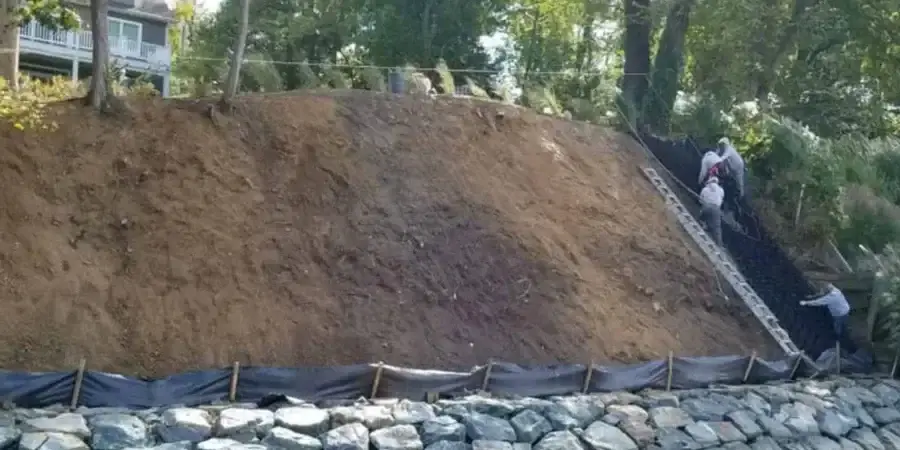
I was walking a site near the Humber estuary last spring, a new housing development on the southern slope of Hull, and the contractor had already cut into the bank before we'd done any testing. The clay there is soft and laminated, typical of the alluvial deposits that cover most of Hull's low-lying areas. Without a proper slope stability analysis, that cut could have failed during the first heavy rain. We ran a series of calculations using limit equilibrium methods and compared them with the actual soil parameters from borehole sampling and in-situ shear strength tests. The result was a safe slope angle that saved the client rework costs and delays.
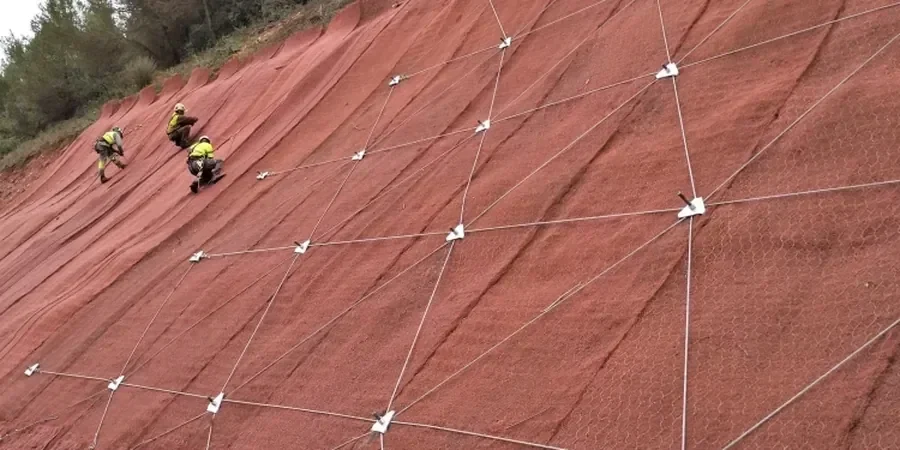
In Hull's low-lying alluvial ground, perched water tables and soft clay lenses make slope stability analysis non-negotiable before any excavation deeper than 1.5 metres.